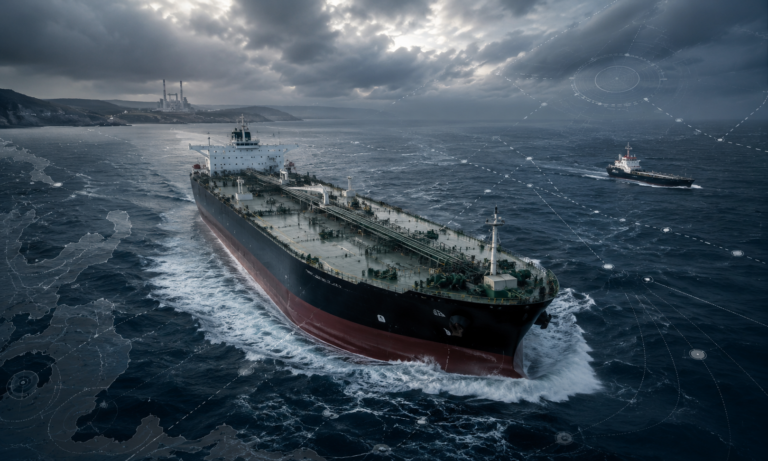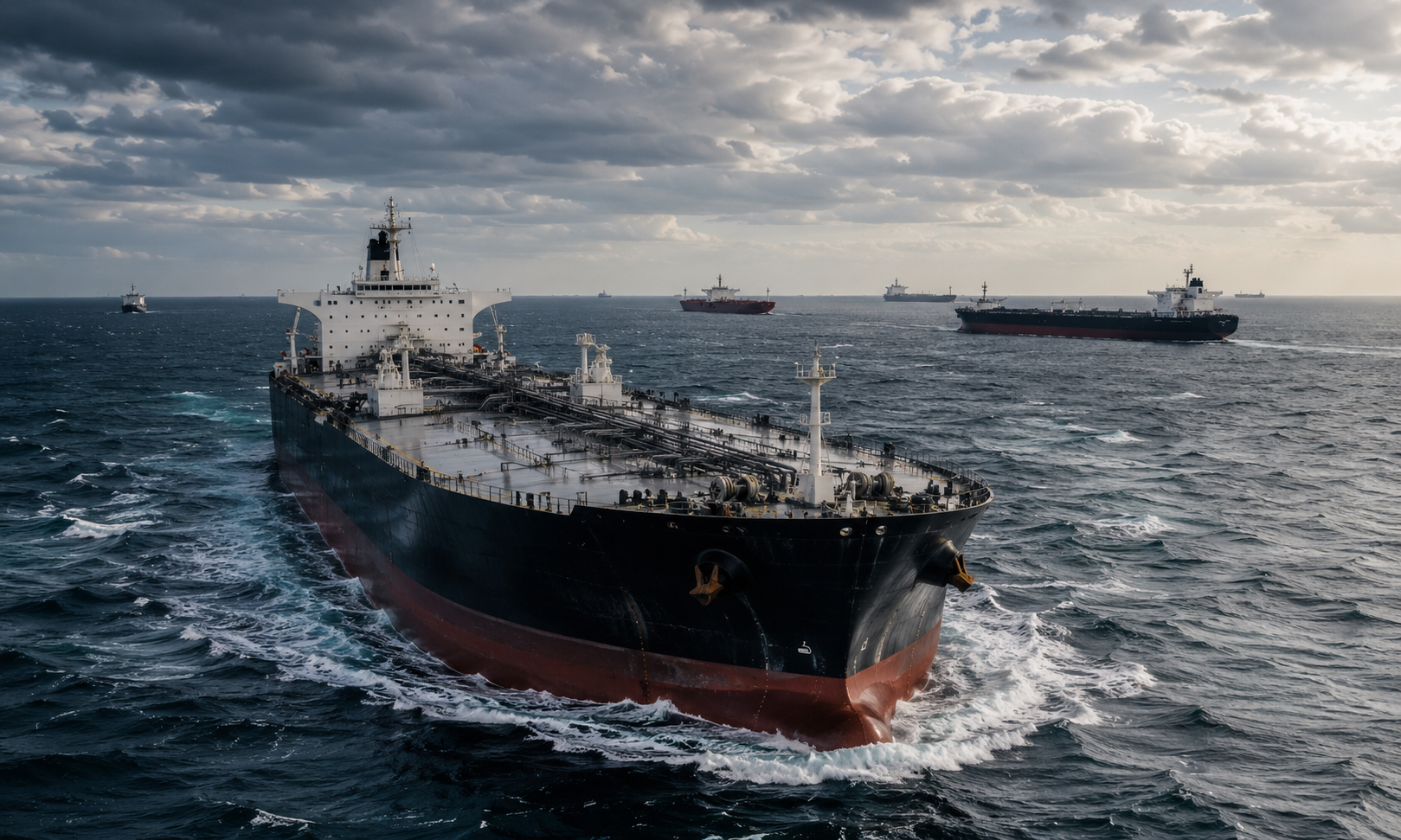
Oil Tanker North Sea: Why This Busy Shipping Route Matters
The oil tanker North Sea route may not always make headlines, but it is one of the most important working sea areas in Europe. Every day, tankers, cargo ships, ferries, fishing boats, offshore supply vessels, and wind farm service ships move through the same waters. Some are carrying fuel. Some are carrying food, chemicals, machinery, or containers. Others are supporting oil platforms, gas fields, and offshore wind projects.
That is why any incident involving a North Sea oil tanker quickly gets attention. It is not just about one ship. It can affect maritime safety, fuel deliveries, port schedules, the environment, and even wider questions about energy security.
The North Sea sits between the UK, Norway, Denmark, Germany, the Netherlands, and Belgium. That location makes it a natural route for oil tankers, cargo vessels, and European shipping traffic. It is also a busy energy zone, with North Sea oil and gas, subsea pipelines, offshore platforms, and fast-growing wind farms all sharing the same space.
Why the North Sea Is Such a Busy Shipping Route
The North Sea shipping route matters because it connects some of Europe’s busiest ports and industrial areas. Ships moving between the English Channel, the UK east coast, Scandinavia, the Netherlands, Germany, and the Baltic often pass through these waters.
For tankers, the route is especially important. A crude oil tanker may carry unrefined oil from production areas or storage terminals. An oil products tanker may move refined fuel such as diesel, petrol, heating oil, or aviation fuel. A chemical tanker may carry industrial liquids that need careful handling. These vessels are part of a large supply chain that keeps airports, factories, military sites, transport companies, and homes running.
The route is also crowded because the North Sea is not only used for shipping. It is a working energy basin. There are offshore oil platforms, gas fields, subsea cables, pipelines, offshore wind farms, fishing grounds, and protected marine areas. That means ships do not always have unlimited room to move.
When people search for oil tanker North Sea, they may be looking for a specific vessel, a recent accident, a tracking map, or a wider explanation of why so many ships pass through the area. The short answer is simple: the North Sea is a gateway for fuel, trade, and energy.
Why Oil Tankers Use the North Sea
Oil tankers use the North Sea because it links major ports, refineries, storage terminals, and offshore energy sites. The route connects places such as the Humber Estuary, Killingholme, Grangemouth, Rotterdam, and other key European ports.
Some tankers carry crude oil. Others carry refined products such as aviation fuel, diesel, or marine fuel. These ships may be moving between refineries, fuel terminals, military supply points, or commercial storage hubs.
A tanker does not have to be huge to matter. Even a mid-sized fuel tanker can carry cargo that is worth millions and is vital to supply chains. If a tanker is delayed, damaged, or blocked from entering a port, the impact can spread beyond the sea. Port operators, fuel buyers, insurers, shipping agents, and emergency services may all become involved.
That is why North Sea tanker traffic is watched closely. The route supports fuel movement, trade, and energy security across the UK and mainland Europe.
The Role of North Sea Shipping Lanes
The North Sea shipping lanes help organize vessel traffic, especially around busy approaches and narrow routes. Ships use navigation charts, radar, AIS tracking, traffic separation schemes, and port guidance to reduce the risk of collision.
But even with modern technology, the sea can still be unpredictable. Fog, poor visibility, tired crews, technical faults, bad communication, or a missed lookout can create danger quickly.
Tankers also need space. A loaded oil tanker cannot stop like a car. It may take a long distance to slow down, turn, or avoid another vessel. If that tanker is anchored, nearby traffic still needs to identify it clearly and avoid it in time.
This is one reason the North Sea is watched so carefully. It is not only busy; it is busy with vessels that are large, heavy, and sometimes carrying hazardous cargo.
What the 2025 North Sea Tanker Collision Showed
The 2025 collision involving the Stena Immaculate and MV Solong showed why the oil tanker North Sea route matters. The incident happened near the Humber Estuary, an important gateway for shipping on the UK east coast.
The Stena Immaculate was an oil and chemical tanker, while the Solong was a container ship. The tanker was at anchor when the cargo ship struck it. The collision caused fire, evacuation, pollution concerns, and a major emergency response.
This kind of incident reminds people that a tanker accident is never just a shipping story. It can raise questions about bridge watchkeeping, AIS tracking, crew fatigue, visibility, anchorage safety, and how quickly rescue teams can respond.
It also shows why the public searches for terms like North Sea tanker collision, cargo ship hits oil tanker, Stena Immaculate accident, MV Solong collision, and oil spill risk. People want to know what happened, what was being carried, whether the coast is at risk, and who is responsible for the investigation.
Why Tanker Accidents Raise Environmental Concerns
Whenever a North Sea oil tanker is involved in a collision or fire, environmental worries come fast. The North Sea is home to seabirds, fish, seals, shellfish grounds, and coastal communities that depend on clean water.
A spill can involve different types of fuel. It may be crude oil, aviation fuel, marine fuel from the ship itself, or other cargo depending on the vessel. Each substance behaves differently in seawater. Some spread quickly across the surface. Some evaporate. Some can harm birds, fish, or marine life even in smaller amounts.
That does not mean every tanker incident becomes a major environmental disaster. Many spills are limited, and emergency teams often move quickly to control damage. Still, the risk is serious enough that authorities monitor the water, air, coastline, and vessel condition after an accident.
This is why phrases such as North Sea oil spill, marine pollution, coastguard response, salvage operation, and environmental damage are closely linked to searches around the oil tanker North Sea topic.
How Oil Tankers Are Tracked in the North Sea
Many people follow ships through AIS tracking tools. AIS stands for Automatic Identification System. It allows vessels to broadcast information such as their name, position, speed, course, destination, and identification numbers.
Websites like MarineTraffic and VesselFinder make this information easier for the public to view. That is why searches such as oil tanker tracking, North Sea vessel position, ship tracker, MarineTraffic tanker, and VesselFinder oil tanker often appear around this topic.
There is one important detail to remember: NORTH SEA can also be the name of a vessel. Some tracking pages show a specific ship named NORTH SEA, listed as a crude oil tanker. That is different from talking about the wider North Sea as a shipping region.
So, when a reader sees NORTH SEA vessel, NORTH SEA ship, or NORTH SEA IMO number, they may be looking at one particular tanker. When they search oil tanker North Sea, they may be asking about the whole route, recent accidents, tanker traffic, or safety concerns in the region.
Why Vessel Names Can Confuse Readers
Ship names can make maritime news confusing. A tanker may be named after a sea, a city, a person, or a company. At the same time, the same phrase may also describe a region.
For example, North Sea tanker could mean a tanker operating in the North Sea. But NORTH SEA crude oil tanker could refer to a specific vessel with that name.
This matters for SEO and reader clarity. If someone lands on an article expecting a ship tracking update, they may be disappointed if the page only explains regional shipping. If someone wants a simple explanation of the North Sea shipping route, they may not need the technical details of one vessel.
A strong article should make both meanings clear. The oil tanker North Sea route is the broader topic. A vessel named NORTH SEA is a separate ship-tracking subject.
Safety Risks on a Crowded Sea Route
The North Sea is busy, and busy waters bring risk. The main safety concerns include heavy traffic, rough weather, fog, strong tides, anchorage areas, and the size of vessels involved.
Large tankers and container ships need careful navigation. A small error can become serious if a vessel is moving fast, visibility is poor, or the bridge team misses a warning sign.
Common risk factors include:
- poor lookout
- bridge fatigue
- bad visibility
- radar or AIS misunderstanding
- engine or steering problems
- crowded anchorage zones
- unclear communication
- heavy traffic near port entrances
For an oil tanker, the stakes are higher because the cargo may be flammable or environmentally harmful. That is why maritime safety, collision avoidance, bridge watchkeeping, and emergency response are such important parts of the North Sea tanker discussion.
Why the Humber Estuary Matters
The Humber Estuary is one of the most important shipping gateways on the UK east coast. It connects to ports and industrial sites that handle fuel, cargo, chemicals, and other goods.
Tankers heading toward terminals near the Humber may carry refined products such as aviation fuel or other liquid cargoes. Container ships, bulk carriers, ferries, and offshore vessels also move through the wider area.
This mix of traffic makes the region important but also sensitive. A collision near a port entrance or anchorage area can disrupt shipping schedules, emergency services, port operations, and coastal monitoring.
That is why locations such as Spurn Head, East Yorkshire coast, Killingholme, and the Humber Estuary appear often in North Sea tanker news.
Energy Security and the Oil Tanker North Sea Route
The oil tanker North Sea route is tied closely to energy security. Europe still depends on tankers to move crude oil, refined products, and specialist fuels between ports and storage terminals.
Even as renewable energy grows, ships continue to carry fuel that supports aviation, road transport, industry, shipping, and defence. Offshore wind farms may be expanding, but tankers still remain part of the region’s energy system.
A serious tanker disruption can affect more than one port. It may delay fuel deliveries, raise insurance concerns, slow nearby shipping, or force vessels to change routes. In a busy trade area, even a short delay can have a wider cost.
That is why governments, port authorities, shipping companies, and insurers pay attention to North Sea tanker traffic. It is not only about moving oil. It is about keeping supply chains steady.
Shadow Fleet Tankers and European Waters
Another reason tankers are getting more attention is the rise of the shadow fleet tanker issue. These are often older vessels linked to sanctioned oil trades, unclear ownership structures, weak insurance, or complicated flag arrangements.
The phrase Russian shadow fleet is often used in news about tankers moving oil despite sanctions. These ships may not always operate in the North Sea itself, but they can pass through nearby European waters, including the English Channel and routes connected to the wider North Sea shipping network.
This matters because older or poorly insured tankers create safety and environmental concerns. If a vessel has unclear ownership, weak maintenance records, or questionable insurance, any accident becomes harder to manage.
The shadow fleet issue also changes how people search. Terms like dark fleet vessels, Russian oil tanker, seized Russian tanker, sanctioned tanker, and shadow fleet oil tanker now sit close to searches about normal tanker routes and maritime safety.
What Authorities Do After a Tanker Incident
When a tanker incident happens in or near the North Sea, the response can involve several groups. The first priority is usually saving lives. After that, attention moves to fire control, pollution risk, vessel stability, cargo safety, and traffic management.
A typical response may involve:
- coastguard teams
- lifeboats
- rescue helicopters
- firefighting support
- tugboats
- pollution monitoring aircraft
- salvage experts
- port authorities
- marine accident investigators
In the UK, serious incidents may involve the Marine Accident Investigation Branch, often known as MAIB. Its job is to investigate what happened and identify safety lessons. The goal is not only to explain one accident, but to help prevent another one.
This is why tanker accidents often lead to official reports, safety warnings, legal action, and changes in how shipping companies manage risk.
Why the Route Will Stay Important
The North Sea will remain important because it sits at the centre of energy, trade, and transport. Even if Europe reduces its dependence on fossil fuels over time, the sea will still carry tankers, cargo vessels, offshore wind ships, fishing boats, and service vessels.
In fact, the route may become more complex. More offshore wind farms mean more service traffic. More subsea cables and energy infrastructure mean more areas that ships must avoid. More attention on sanctions and the shadow fleet means more monitoring of tanker movements.
The future of the oil tanker North Sea route will depend on better tracking, stronger safety habits, cleaner emergency planning, and clear rules for ships that pass through crowded waters.
What happened to the North Sea tanker?
The best-known recent case is the Stena Immaculate and MV Solong collision in March 2025. The tanker was at anchor near the entrance to the Humber Estuary when it was struck by the cargo ship. The impact caused fire, emergency evacuations, pollution concerns, and a major investigation.
It became a major story because the tanker was carrying fuel, the location was close to a busy shipping area, and the incident raised serious questions about watchkeeping, navigation safety, and how ships avoid anchored vessels.
Has Iran attacked any oil tankers yet?
Iran-related tanker concerns usually refer to the Strait of Hormuz and nearby Middle East waters, not the North Sea shipping route. The Strait of Hormuz is one of the world’s most sensitive oil chokepoints, so any tension there can quickly affect tanker traffic and oil prices.
For readers, it is important not to mix the two regions. The oil tanker North Sea story is mainly about UK and European waters, shipping safety, port routes, and environmental risk. Iran tanker headlines usually involve the Gulf, Hormuz, sanctions, or military tension in the Middle East.
Because this topic can change quickly, readers should check the latest verified shipping and news reports before assuming whether a new tanker attack has happened.
Where is the seized Russian tanker now?
Reports about a seized Russian-linked tanker refer to a separate shadow fleet oil tanker case, not the 2025 North Sea collision. The vessel involved was the Smyrtos, which was intercepted by British forces in the English Channel in June 2026.
After the operation, the tanker was reported to be anchored off the Dorset coast near Weymouth while authorities monitored it for safety and environmental concerns. This case matters because it shows how European countries are taking a tougher line on Russian shadow fleet vessels and sanctioned oil movements.
It should not be confused with the Stena Immaculate collision, which was a different incident involving a tanker and a cargo ship near the Humber area.
Why are so many oil tankers being abandoned?
The word “abandoned” can mean different things in tanker stories. In an emergency, a crew may abandon ship because of fire, collision, explosion risk, or toxic cargo concerns. That is a safety decision, not the same as leaving a ship permanently.
In other cases, older tankers may be described as abandoned because of money problems, sanctions, unclear ownership, poor maintenance, legal disputes, or insurance issues. This is often linked to dark fleet tankers and the wider shadow fleet problem.
Some of these vessels are old, hard to trace, or expensive to repair. If they become stuck in port, detained by authorities, or blocked by sanctions, crews can be left in difficult conditions and the ship itself can become an environmental risk.
That is why abandoned tanker stories often connect to maritime law, crew welfare, ship insurance, sanctions, and oil spill risk.