Dragons’ Den Net Worth: How Rich Are the UK Dragons?
Dragons’ Den net worth
Dragons’ Den net worth is one of the most searched topics around the BBC business show, and it is easy to see why. The Dragons sit in front of nervous entrepreneurs, ask tough questions, and decide within minutes whether a business is worth their money. Viewers naturally want to know how rich they are, who is the wealthiest Dragon, and how they built their fortunes before joining the Den.
The important thing to remember is that most Dragons’ Den net worth estimates are not official bank balances. They are based on public reports, company values, business holdings, past sales, investments, property interests, media income, and rich list estimates. So the numbers can vary from source to source.
As of recent rankings, Peter Jones is widely reported as the richest UK Dragon, with estimates around £1.2 billion. Other familiar Dragons, including Touker Suleyman, Steven Bartlett, Deborah Meaden, and Sara Davies, are also multi-millionaire business figures with fortunes built across fashion, media, retail, leisure, technology, crafts, and private investments.
Who are the current UK Dragons?
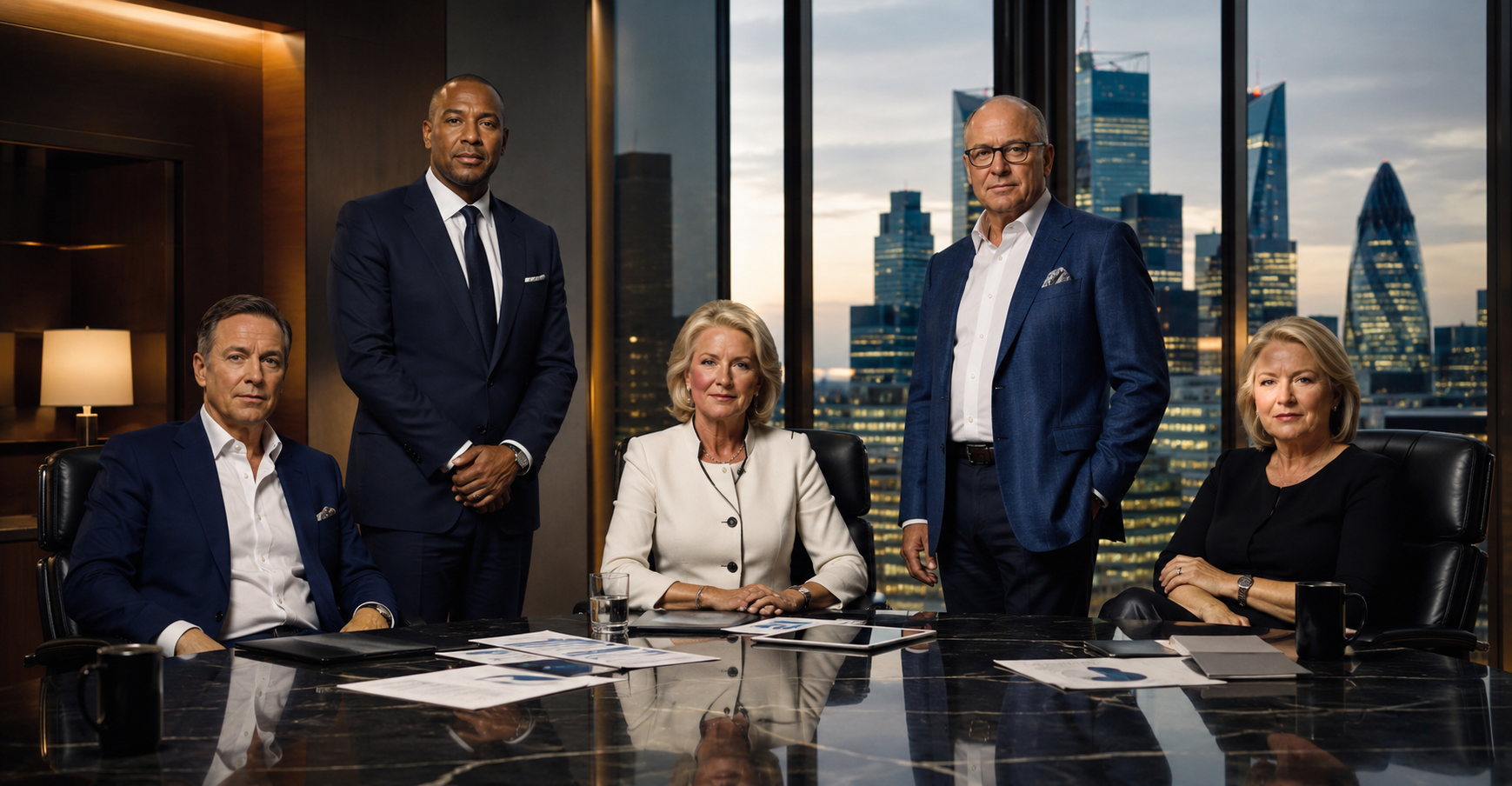
The modern Dragons’ Den UK line-up has changed over time. Series 23, which began in 2026, featured returning Dragons Peter Jones, Deborah Meaden, Touker Suleyman, and Steven Bartlett, with guest Dragons including names such as Gary Neville, Tinie Tempah, Jenna Meek, and Susie Ma.
Sara Davies is still one of the most searched Dragons because she was a regular investor from 2019 and became a very popular face on the show. She later stepped away from filming to focus on her own business, but her name still appears in many Dragons’ Den rich list searches.
Estimated net worth of the main UK Dragons
Here is a simple guide to the commonly reported estimates:
| Dragon | Estimated net worth | Main wealth sources |
| Peter Jones | Around £1.2 billion | Telecoms, technology, retail, media, investments |
| Touker Suleyman | Around £200 million | Fashion, retail, property, Hawes & Curtis, Ghost |
| Steven Bartlett | Around £71 million, with higher attention around company valuations | Social Chain, Diary of a CEO, media, tech, startup investments |
| Deborah Meaden | Around £50 million | Leisure, holiday parks, retail, sustainability-focused investments |
| Sara Davies | Around £37 million | Crafter’s Companion, crafts, retail, TV, investments |
These figures should be treated as estimates, not exact personal wealth statements. Startups.co.uk’s 2026 ranking placed Peter Jones first, Touker Suleyman among the richest current Dragons, Steven Bartlett at around £71 million, Deborah Meaden at around £50 million, and Sara Davies at around £37 million.
Peter Jones net worth: why he is the richest Dragon
Peter Jones net worth is usually the biggest number in any Dragons’ Den wealth ranking. He is the only original Dragon still strongly associated with the show, having appeared since the first series in 2005. His wealth has been linked to telecoms, technology, retail, media investments, and a broad business portfolio.
Startups.co.uk estimated Peter Jones at around £1.2 billion, while BusinessCloud noted that The Sunday Times Rich List previously estimated his fortune at around £1.157 billion. Both figures place him far ahead of the other current UK Dragons.
His business story also makes him interesting. Jones did not move in a straight line from success to success. Reports often mention that he faced major setbacks early in his career before rebuilding through Phones International Group and later expanding into investments across several sectors.
On Dragons’ Den, Peter Jones is known for calm questioning, direct advice, and a long memory for numbers. Some of his best-known deals include Reggae Reggae Sauce, Wonderland Magazine, and other consumer brands that benefited from his mix of money, retail knowledge, and public profile.
Touker Suleyman net worth: fashion, retail, and smart brand buying
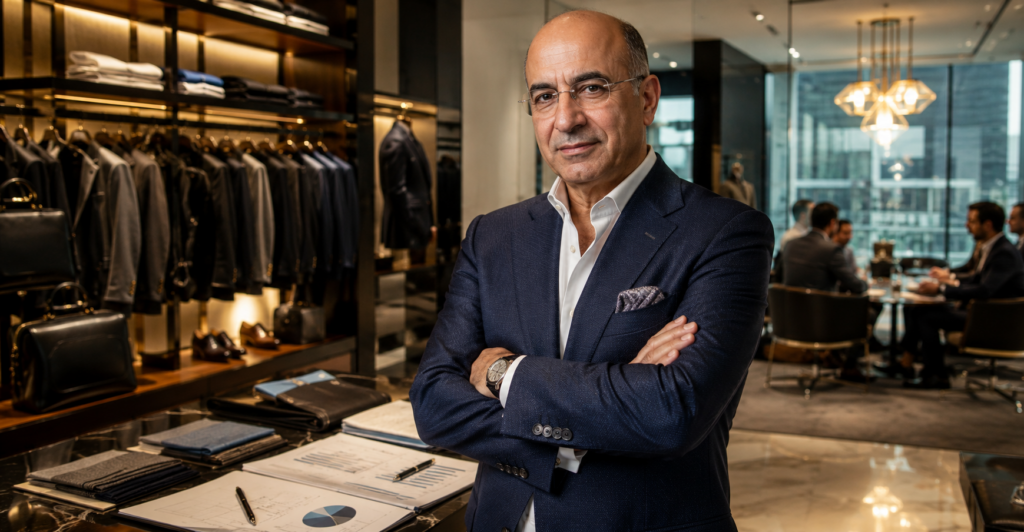
Touker Suleyman net worth is often estimated at around £200 million, making him one of the richest Dragons after Peter Jones. His money mainly comes from fashion, retail, manufacturing, property, and brand ownership.
Suleyman is best known for owning Hawes & Curtis and Ghost, two fashion names that helped build his reputation as a retail entrepreneur. Startups.co.uk notes that he began in the clothing trade, built manufacturing experience, supplied major brands, and later became a regular Dragon from series 13.
What makes Touker different in the Den is his sharp retail eye. He often looks at margins, supply chains, product quality, brand positioning, and whether a founder really understands how to sell at scale. His wealth is not only about one big exit. It comes from decades in the fashion and commercial world.
Steven Bartlett net worth: media, tech, and the creator economy
Steven Bartlett net worth is one of the most talked-about because he joined the show younger than the traditional image of a Dragon. He became known through Social Chain, then built a wider media and investment profile through The Diary of a CEO, Flight Group, startup investing, speaking, books, and content-led businesses.
Recent estimates vary. Startups.co.uk placed him at around £71 million, while other reporting has drawn attention to the valuation of his company Steven.com, which was reported at around £320 million after investment. That does not mean Bartlett personally has £320 million in cash, but it does show why his wealth profile has grown quickly.
Steven’s appeal in the Den is different from the older Dragons. He brings knowledge of social media, personal branding, podcasts, technology, direct-to-consumer marketing, and online communities. For founders building brands on TikTok, Instagram, YouTube, podcasts, or subscription models, he can offer more than money.
Deborah Meaden net worth: leisure, retail, and long-term investing
Deborah Meaden net worth is commonly estimated at around £50 million. She built much of her early fortune through the leisure and holiday park sector, especially after her role in the family business Weststar Holidays, which was later sold. Simply Business notes that Weststar Holidays was sold to Parkdean Holidays for £83 million in 2007, after earlier private equity activity around the company.
Deborah joined Dragons’ Den in 2006 and became one of the show’s most recognisable investors. Startups.co.uk notes that she has invested in dozens of businesses over the years and has a reputation for supporting sustainability-focused companies.
Her style is direct but thoughtful. She often looks closely at ethics, margins, product-market fit, founder knowledge, and whether a business is genuinely investable rather than just exciting on television.
Sara Davies net worth: crafts, retail, and Crafter’s Companion
Sara Davies net worth is often estimated at around £37 million. Her wealth mainly comes from Crafter’s Companion, the craft supplies company she started while studying at university. Her story is one of the most relatable on the show because she built a product-led business from a clear gap in the market.
Startups.co.uk notes that Sara launched the company after spotting a need for a tool that helped crafters create custom-sized envelopes for handmade cards. Her early product sold strongly, and the business grew into a major craft retail brand.
Sara joined Dragons’ Den in 2019 and became known for her warmth, product understanding, and support for founders, especially those building consumer goods, craft brands, family businesses, and female-led companies. Although she stepped away from the show to focus on her business, she remains a key name in Dragons’ Den cast net worth searches.
Richest Dragons’ Den investors past and present
When people search who is the richest Dragon, they are often thinking about the current BBC panel. But if you include past Dragons, the list becomes wider.
Recent rankings have placed Peter Jones first, followed by past Dragons such as Duncan Bannatyne, Tej Lalvani, and Theo Paphitis, before current Dragon Touker Suleyman. Startups.co.uk’s 2026 ranking listed Peter Jones, Duncan Bannatyne, Tej Lalvani, Theo Paphitis, Touker Suleyman, Nick Jenkins, James Caan, Steven Bartlett, Piers Linney, Deborah Meaden, and Sara Davies among the wealthiest Dragons.
This shows how broad the Dragons’ Den world is. Some Dragons made money from gyms and care homes. Others built fashion empires, vitamin brands, recruitment firms, online businesses, craft companies, social media agencies, and investment portfolios.
Why Peter Jones is still ahead
The gap between Peter Jones and the rest is large because his fortune is tied to a much wider business empire. His estimated wealth is not based only on Dragons’ Den. The show gives him visibility, but his real money comes from years of entrepreneurship and investment outside the Den.
That is an important point for readers. Dragons’ Den investors do not become rich because the BBC pays them huge salaries. They are on the show because they were already wealthy and experienced enough to invest their own money.
Peter Jones built scale across telecoms, technology, retail and investment. Touker Suleyman built long-term fashion and retail wealth. Deborah Meaden built and exited leisure businesses. Steven Bartlett built modern media and tech value. Sara Davies built a product and craft retail business.
The show simply made those fortunes more visible to the public.
Do the Dragons really invest their own money?
Yes, the Dragons are known for investing their own money when deals go through. That is part of what makes the show different from normal talent competitions. Founders pitch for a real investment in exchange for equity.
However, not every deal agreed on screen completes after filming. Due diligence happens later. The Dragons check accounts, legal documents, claims, margins, intellectual property, debt, sales figures, and whether the founder’s numbers were accurate. Startups.co.uk notes that many large deals look exciting on TV, but not all of them cross the finish line after the cameras stop.
This is important when discussing Dragons’ Den investments. A handshake in the Den is not always the final legal agreement. Some deals fall through, some change terms, and some become long-term success stories.
Biggest Dragons’ Den deals and why they matter
The Dragons’ wealth is interesting, but the investments are what make the show exciting. Some deals have become famous because they grew after appearing on TV. Others looked promising but did not work out.
Startups.co.uk’s recent list of large deals includes businesses such as OnlyCat, Boot Bananas, Pippa Technologies, and older big investments from the show’s history. It also points out that some businesses secure large offers in the Den but later face changes, collapse, or fail to complete the investment after due diligence.
That is part of the reality of startup investing. Even rich investors make risky bets. A founder can have a strong pitch and still struggle later. A rejected business can sometimes become a huge success. The Dragons are wealthy, but they are not fortune tellers.
Why net worth estimates can be confusing
The phrase Dragons’ Den net worth sounds simple, but wealth is not always easy to measure. A Dragon’s net worth may include company shares, property, cash, investments, intellectual property, brand value, and assets that are hard to price.
For example, Steven Bartlett’s company valuation can make headlines, but a company valuation is not the same as personal cash. Peter Jones may be valued based on private businesses and investment holdings, not just liquid money. Sara Davies’ wealth can be affected by changes in Crafter’s Companion and related ownership. Deborah Meaden’s value comes from multiple investments and past exits.
That is why different websites may give different figures. The safest wording is always estimated net worth, not confirmed fortune.
What the Dragons’ wealth says about the show
The Dragons are not just rich people sitting behind desks. Their wealth reflects different paths into entrepreneurship:
Peter Jones shows the power of rebuilding after failure and scaling across sectors.
Touker Suleyman shows how fashion, retail, manufacturing, and brand ownership can create long-term wealth.
Steven Bartlett shows how media, technology, personal branding, and digital audiences can build modern business value.
Deborah Meaden shows how leisure, retail, sustainability, and disciplined investing can create lasting wealth.
Sara Davies shows how a practical product idea can become a major consumer business.
That variety is part of why the show still works. The Dragons do not all think the same way. One may care most about numbers. Another may focus on brand. Another may spot social media potential. Another may challenge sustainability claims. Another may understand product design and retail packaging.
Dragons’ Den net worth rankings are not the full story
It is tempting to think the richest Dragon is always the best investor, but the Den does not work that way. Founders often choose an investor based on more than money. They look for contacts, experience, credibility, mentoring, retail access, media reach, supply chain help, and emotional fit.
A founder with a fashion brand may prefer Touker Suleyman. A podcast, creator, or digital brand may lean toward Steven Bartlett. A sustainability-led company may want Deborah Meaden. A product needing retail scale may want Peter Jones or Sara Davies.
That is why Dragons’ Den net worth rankings are fun to read, but they do not tell the whole business story. Sometimes the best Dragon for a company is not the richest one. It is the one who understands the market and can open the right doors.
Quick rich list of the best-known UK Dragons
Peter Jones: commonly ranked first, with estimates around £1.2 billion.
Touker Suleyman: often estimated around £200 million, mostly from fashion and retail.
Steven Bartlett: commonly estimated around £71 million, with fast-growing media and company valuation headlines.
Deborah Meaden: often estimated around £50 million, built through leisure, retail, and investments.
Sara Davies: often estimated around £37 million, built through Crafter’s Companion, crafts, retail, and TV profile.
Theo Paphitis: a former Dragon often estimated around £290 million, linked to Ryman, Robert Dyas, Boux Avenue, and retail entrepreneurship.
Duncan Bannatyne: a former Dragon ranked highly in rich lists, known for health clubs, hotels, care homes, and leisure businesses.
The simple answer to “how rich are the Dragons?”
The UK Dragons are very wealthy, but not all at the same level. Peter Jones sits far ahead as the richest Dragon, with estimates around the billion-pound mark. Touker Suleyman is usually next among the familiar current names, with a fortune linked to fashion and retail. Steven Bartlett has become one of the most talked-about younger Dragons because of his media, tech, and creator-economy businesses. Deborah Meaden and Sara Davies remain highly successful multi-millionaire entrepreneurs with strong reputations beyond the show.
The real value of the Dragons is not only in their net worth. It is in how they made their money, the lessons they bring into the Den, and the way their experience helps viewers understand what makes a business investable. For entrepreneurs, the lesson is clear: the biggest bank balance gets attention, but the best investor is the one who brings the right mix of money, knowledge, contacts, and belief.